
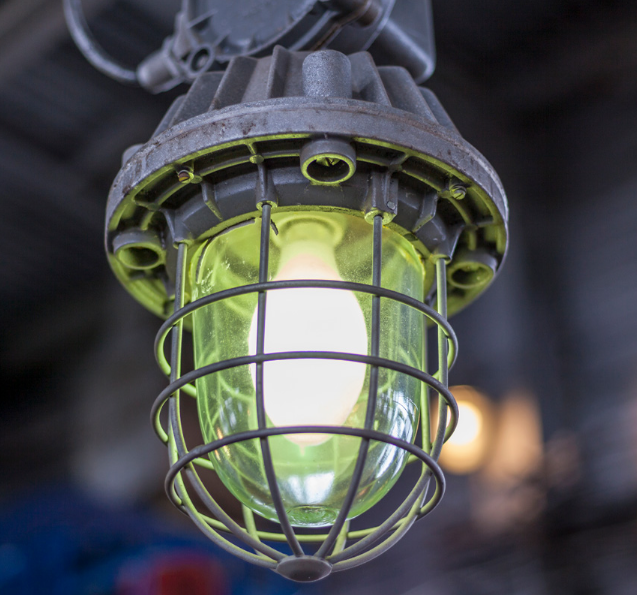
Basic Understanding of Explosion-Proof Lights
Explosion-proof lights contain sparks or heat so they cannot ignite the surrounding atmosphere. Metallic housings, sealed construction and robust glass or polycarbonate covers make them suitable for oil rigs, chemical factories, mines and other dangerous locations.
Types and Typical Uses
- Explosion-proof LED lights: efficient, long-life lighting for refineries, chemical plants, gas stations and offshore platforms
- Explosion-proof fluorescent lights: broad, lower-power illumination for depots, grain storage and food facilities
- Emergency and exit lights: battery-backed visibility during power failures and evacuations
- Explosion-proof linear lights: even illumination for refineries, chemical structures and large plants
- Explosion-proof work lights: portable lighting for oil rigs, mines and chemical plants
- Explosion-proof linear LED lights: durable, efficient lighting for spacious production areas
- Explosion-proof HID lighting: high-intensity output for outdoor and large-scale industrial sites
How to Find the Right Type
Start with area classification and the frequency of explosive gases, vapors or dust. Zone 0 requires the most careful selection; Zone 1 and Zone 2 require equipment matched to the expected presence and installation conditions.
- Choose aluminum or stainless-steel housings for strength and corrosion resistance
- Use IP65 or higher where dust or water ingress is expected
- Confirm ATEX, IECEx and UL or applicable local certifications
- Prioritize low-maintenance products and a lighting layout that supports safe work and evacuation
Conclusion
Quality is essential when explosion-proof fixtures are used in hazardous environments. Exguangs supplies reliable lighting technologies and certified solutions for safer industrial operations.